Reception: 85 742 30 30 · Mon–Fri 8:00–20:00

Specialist practice  /  Białystok, Poland

Dr KatarzynaMłodzianowska-Kosel

Specialist in obstetrics and gynecology and in perinatology.

Pregnancy care, prenatal screening, fetal echocardiography and gynecological care. I see patients at Mastermed, ul. Mazowiecka 48.

Consultations in English and Polish.

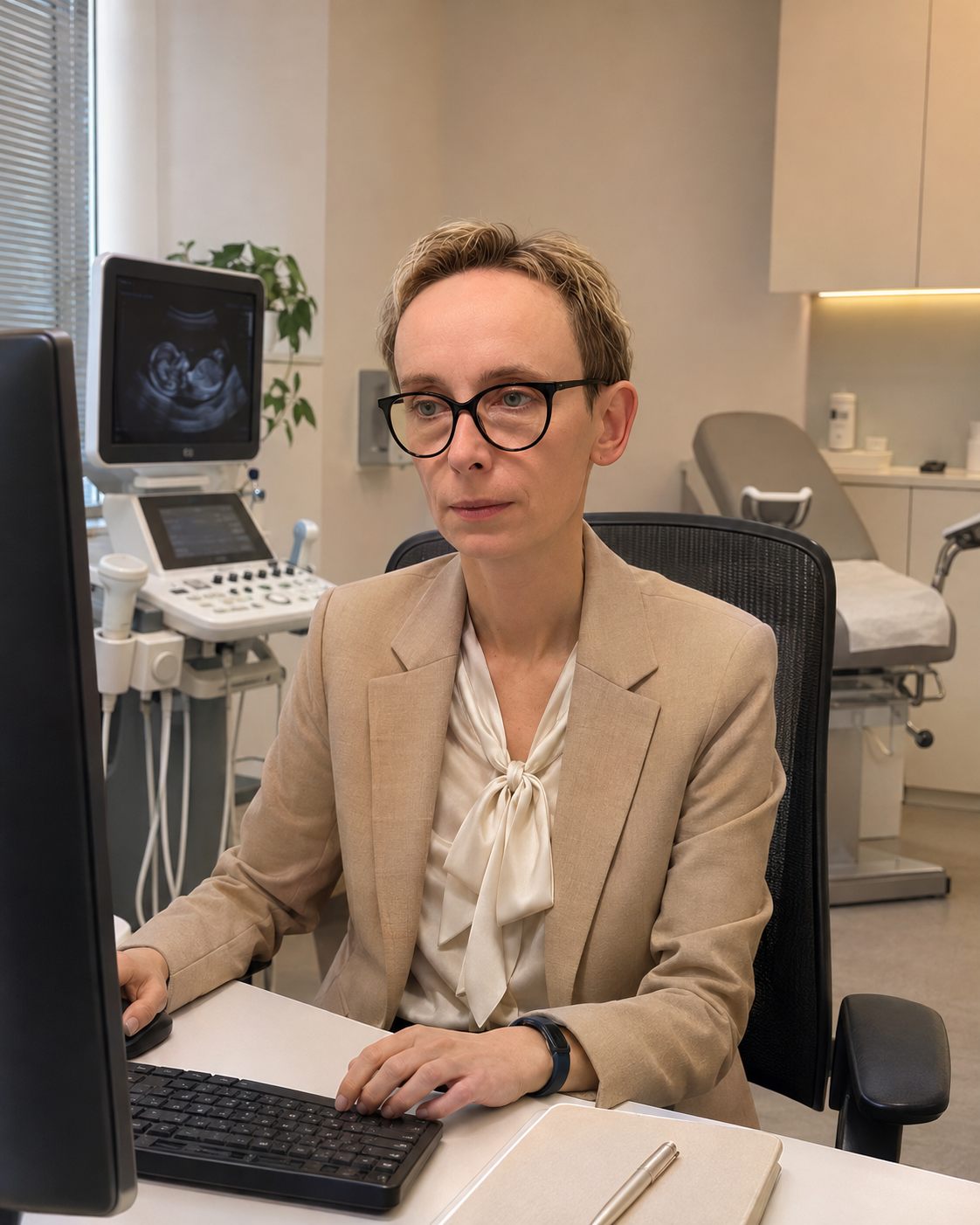
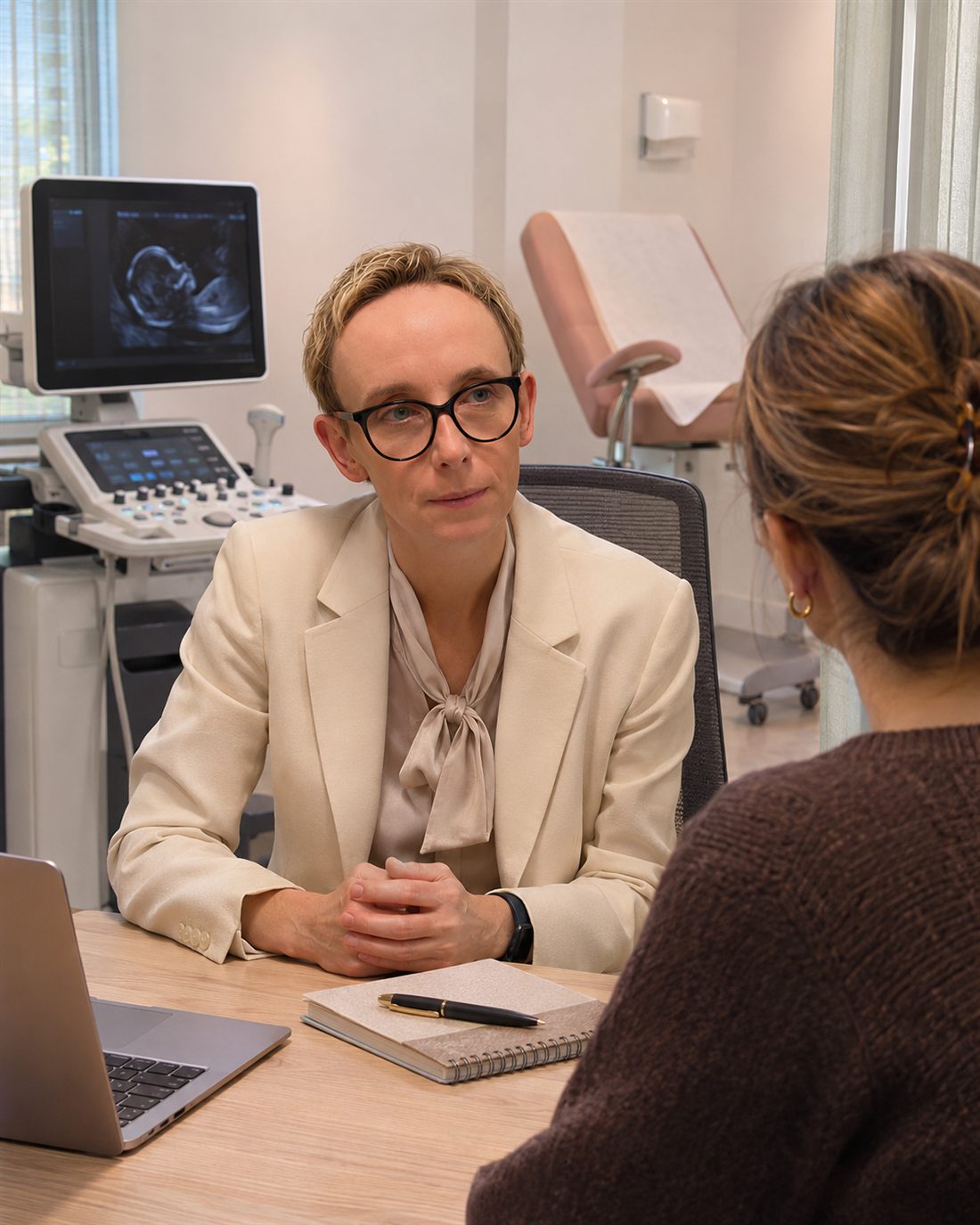
Dr Katarzyna Młodzianowska-Kosel at her desk in the consulting room, with an ultrasound machine in the background

Consultations and tests

Care at every stage of life.

For women planning a pregnancy, pregnant or after childbirth, as well as during perimenopause and menopause.

01

Gynecological consultations

Prevention, diagnosis and treatment. Care during perimenopause and menopause, including breast screening.

02

Pregnancy care

Care from the early weeks of pregnancy through the postpartum period. Also complicated pregnancies — including diabetes and hypertension.

03

Prenatal ultrasound

The 11–14 week scan according to FMF standards with risk assessment for chromosomal abnormalities, the 18–22 week fetal anatomy scan, and ultrasound in the 3rd trimester.

04

Fetal echocardiography

A detailed ultrasound examination of the baby's heart — in single and multiple pregnancies.

05

Genetic amniocentesis and NIPT

Amniocentesis — an invasive test in which amniotic fluid is collected for genetic testing. NIPT — a test performed on the mother's blood.

06

Prevention

Liquid-based cytology (Pap test), HPV tests and colposcopy.

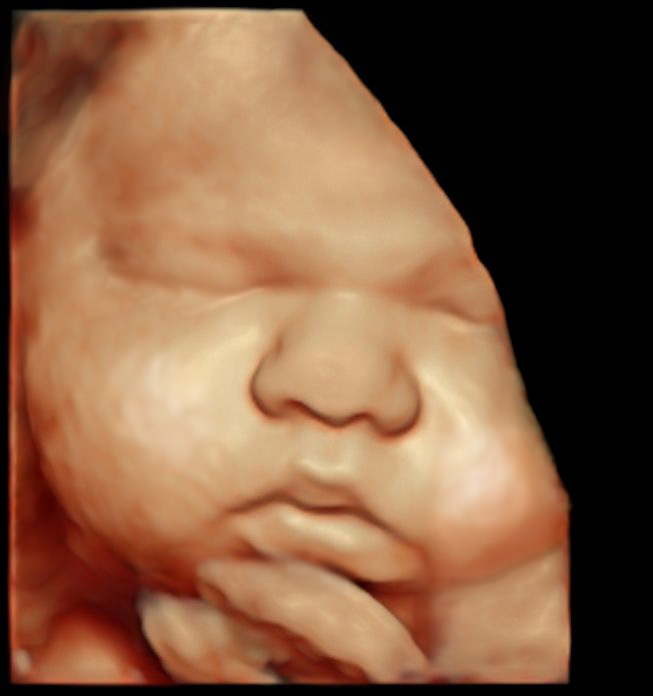
3D / 4D ultrasound

An additional way of imaging the baby. It does not replace prenatal screening and is reported separately from prenatal diagnostics.

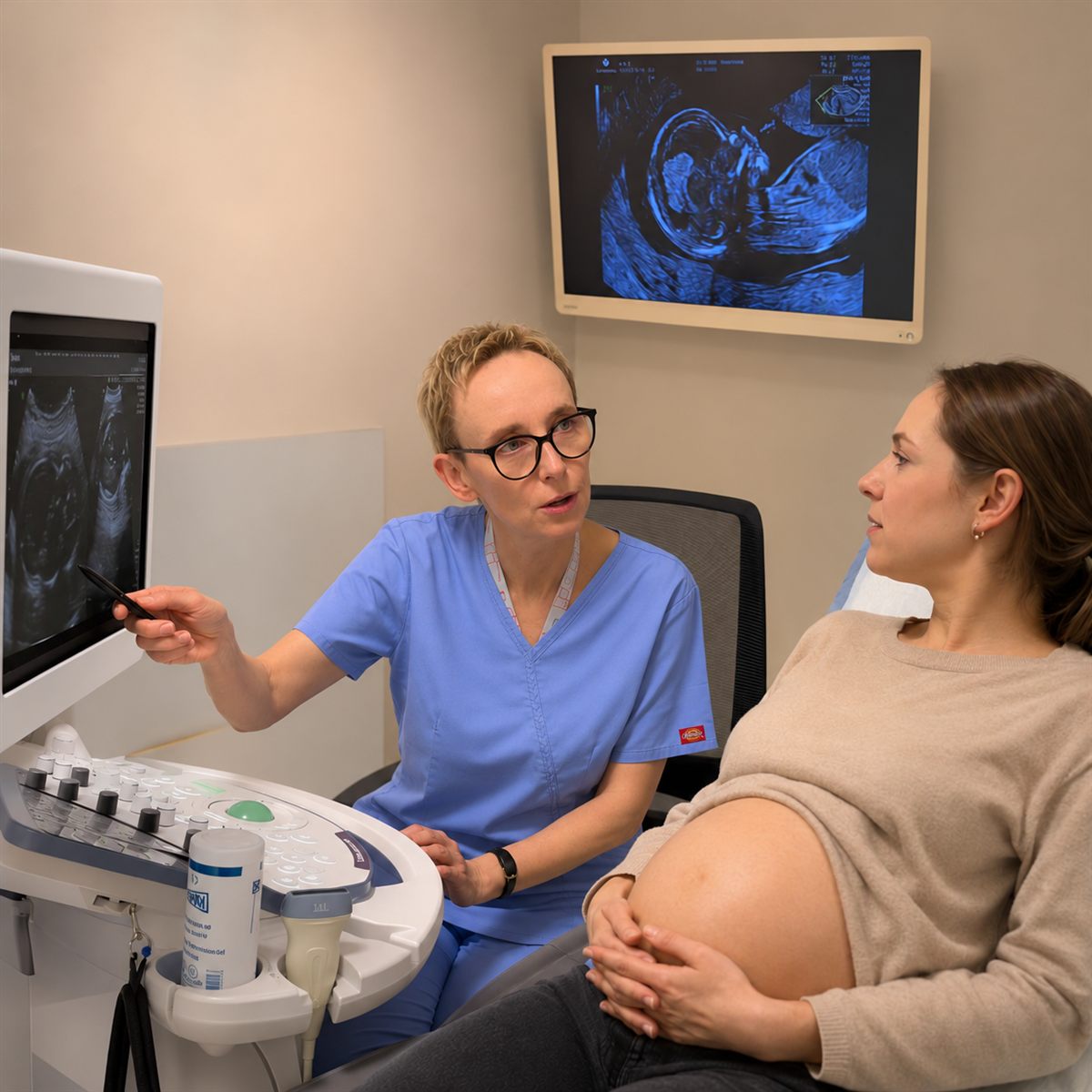
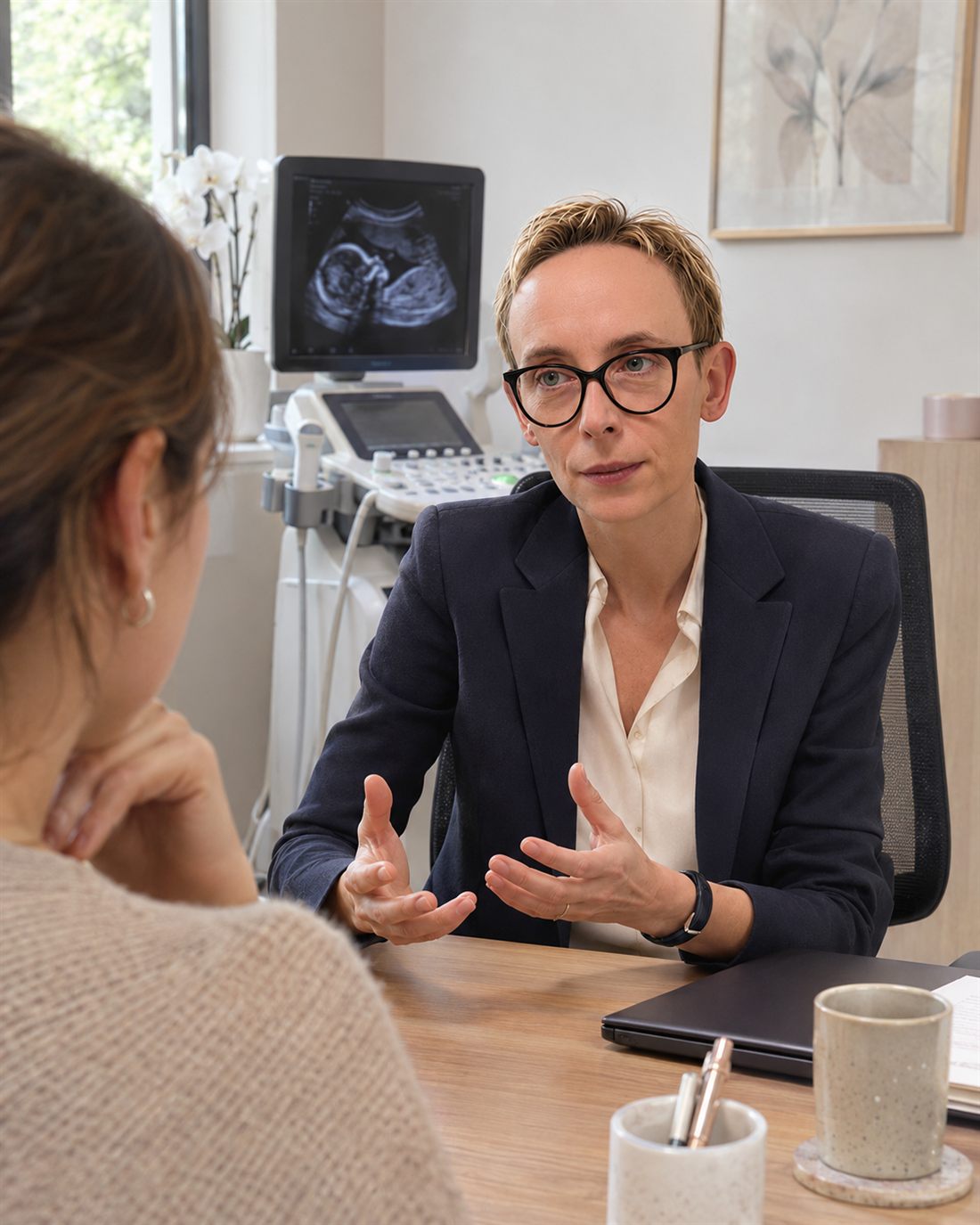
Dr Katarzyna Młodzianowska-Kosel discussing the image on the ultrasound screen with a pregnant patient

Prenatal diagnostics

A scan we go through together.

What matters to me is an attentive conversation and a clear explanation of the result and of the next steps.

  • EquipmentVoluson EXPERT 20 (GE)
  • StandardFetal Medicine Foundation (FMF) certificate
  • GuidelinesPTGiP, ISUOG, RCOG, ACOG, PTU, FMF

Services and prices

Prices of consultations and tests.

Selected prices from the Mastermed price list. Please confirm current prices with the reception desk.

Visits

ServicePrice
Gynecological visit200 PLN
Gynecological visit + gynecological ultrasound400 PLN
Gynecological visit + gynecological ultrasound + liquid-based cytology (LBC) + HPVHPV 14 MAS test640 PLN
Obstetric visit250 PLN
Obstetric visit + ultrasound up to 11 weeks400 PLN

Prenatal diagnostics

ServiceSingle
pregnancy
Single
Multiple
PAPP-A testtest + ultrasound600 PLN700 PLN
Ultrasound 11–17 weeks450 PLN550 PLN
Ultrasound 18–24 weeks450 PLN550 PLN
Ultrasound after 24 weeks400 PLN500 PLN
Fetal echocardiography500 PLN650 PLN
Amniocentesiswith karyotype analysis1350 PLN
NIPT — NIFTY testprice depends on the scope of the test (Basic – Premium)2000–5500 PLN

Prevention

ServicePrice
Liquid-based cytology (LBC)100 PLN
Liquid-based cytology (LBC) + HPV 14 MAS250 PLN
HPV 14 MAS testgenotyping of 14 high-risk HPV types180 PLN
Colposcopy350 PLN
Breast ultrasound230 PLN

Prices according to the Mastermed price list (as of November 2026). The full price list, including all NIPT options, is available from the reception desk.

What the first visit looks like

Calmly, step by step.

  1. Book an appointment

    Call the Mastermed reception desk and choose the type of consultation or test.

  2. Prepare your documents

    An identity document, your medical records and previous test results, the date of your last period and a list of the medicines you take. Ask the reception desk how to prepare for a specific test.

  3. History, records, examination

    I begin the visit with a detailed medical history and a review of your records, then I examine you.

  4. Discussing the next steps

    I explain the results and together we agree on what comes next.

The doctor listening to a patient during a conversation at her desk
Dr Katarzyna Młodzianowska-Kosel in a navy blazer talking with a patient

About me

Knowledge, attentiveness and conversation.

I chose to become a doctor because I have always been fascinated by how a new human being comes into existence from the love of two people. I know, however, that the road to motherhood is not always free of difficulties. I wanted to understand the causes of failure and to help women who long to have a child.

Most often I see patients with complicated pregnancies, diabetes or hypertension, as well as women who have difficulty getting pregnant or carrying a pregnancy to term.

In my work I draw on knowledge gained over years of practice and through training in Poland and abroad. I turn it into practical steps for each specific problem.

After my care, my patients feel, above all, safe.

  • SpecializationsObstetrics and gynecology, perinatology
  • ExperienceOver 25 years; Department of Perinatology and Obstetrics, University Clinical Hospital in Białystok
  • ScopeObstetric ultrasound, prenatal diagnostics, operative obstetrics, gynecological care

Advice and education

Information for patients.

Articles and videos about tests in pregnancy and about prevention.

Pregnancy · 10 June 2026 The first ultrasound in pregnancy — what to expect When the first scan is done, what it looks like and what the doctor assesses.

When the first ultrasound is done

An early ultrasound is usually done between the 6th and 9th week of pregnancy. It confirms the pregnancy, its location in the uterus and the embryo's heartbeat.

The 1st trimester scan — the first of the prenatal tests — is done between 11+0 and 13+6 weeks of pregnancy. We set the exact date individually at the first visit.

How the scan is done

The scan is non-invasive and painless. In early pregnancy a transvaginal probe is usually used because it gives a clearer image. In later weeks the scan is done with a probe on the abdomen. It usually takes from about 15 to 40 minutes.

What the doctor assesses

  • whether the pregnancy is developing in the uterus — this makes it possible to rule out an ectopic pregnancy,
  • the number of embryos,
  • the heartbeat,
  • gestational age — based on measurements,
  • in the 1st trimester scan also nuchal translucency (NT), as part of the risk assessment.

How to prepare

Usually no special preparation is needed. Bring your medical records, remember the date of your last period and wear comfortable clothes. If you experience pain or bleeding, contact a doctor — do not wait for your scheduled visit.

The first ultrasound is not only a moving moment, but above all an important part of pregnancy care.

Diagnostics · 22 May 2026 3D/4D ultrasound — when is it worth doing How 3D imaging differs from a standard ultrasound and what affects image quality.

How 3D/4D ultrasound differs from 2D

A standard 2D ultrasound is the basic examination — the assessment of the baby's anatomy and development is based on it. A 3D ultrasound gives a three-dimensional image, for example of the baby's face. A 4D ultrasound adds movement seen live. 3D/4D scans complement standard examinations but do not replace them.

When it is best to do it

The best images of the face are usually obtained between the 26th and 30th week of pregnancy. Earlier, the facial features are less visible; later, the baby has less room in the uterus. It is best to agree on the timing with your doctor.

What affects image quality

  • the baby's position and activity during the scan,
  • the amount of amniotic fluid around the face,
  • the position of the placenta,
  • individual scanning conditions.

The first shot is not always perfect — sometimes the baby needs a moment to change position.

How to prepare

Staying well hydrated in the days before the scan and choosing a time of day when the baby is usually active often improve image quality. You will receive detailed advice when booking your visit.

A 3D/4D ultrasound is a keepsake and an additional look at your baby. Standard ultrasound scans at the recommended times remain the basis of a safe pregnancy.

Prevention · 15 April 2026 Pap test and prevention — how often to get checked What a Pap test involves, how to prepare for it and why regular check-ups matter.

A Pap test is an important part of prevention. It makes it possible to detect changes early — before any symptoms appear.

What a Pap test is

The doctor collects cells from the cervix, which are then examined under a microscope. The test is quick and causes little discomfort. Conventional cytology, liquid-based cytology (LBC) and HPV testing are used. The doctor chooses the method.

How often to get checked

It depends on your age, previous results and individual risk factors. Screening tests are repeated regularly, and we set the exact schedule during the visit. If worrying symptoms appear, do not wait for your routine appointment.

How to prepare

  • the test is done outside your period, ideally a few days after it ends,
  • for 1–2 days before the test, avoid sexual intercourse and do not use vaginal pessaries,
  • tell the doctor about the medicines you take and your previous results.

Prevention is more than a Pap test

Full prevention also includes regular check-ups, gynecological ultrasound and breast examination. In the appropriate age groups, HPV vaccination is worth considering. Regularity is what matters most.

If you cannot remember when you last had a Pap test, this is a good moment to book a visit.

The articles are for educational purposes and do not replace a medical consultation. The timing and scope of tests are set individually by the doctor.

Educational videos

Ultrasound in pregnancyA short video about ultrasound examination in pregnancy
Amniocentesis · part 1When should amniocentesis be done?
Amniocentesis · part 2How is amniocentesis performed?
Amniocentesis · part 3Why consider amniocentesis?

Gallery

3D photos and 4D videos.

Special encounters with the baby captured on a Voluson EXPERT 20 scanner. Photos and videos are published with the patients' consent.

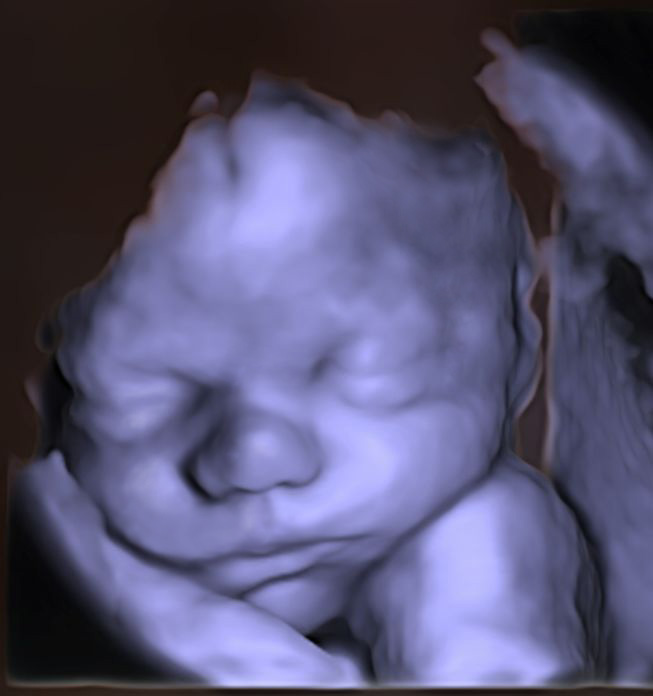
3D ultrasound – baby's portrait
3D ultrasound – sweet dreams
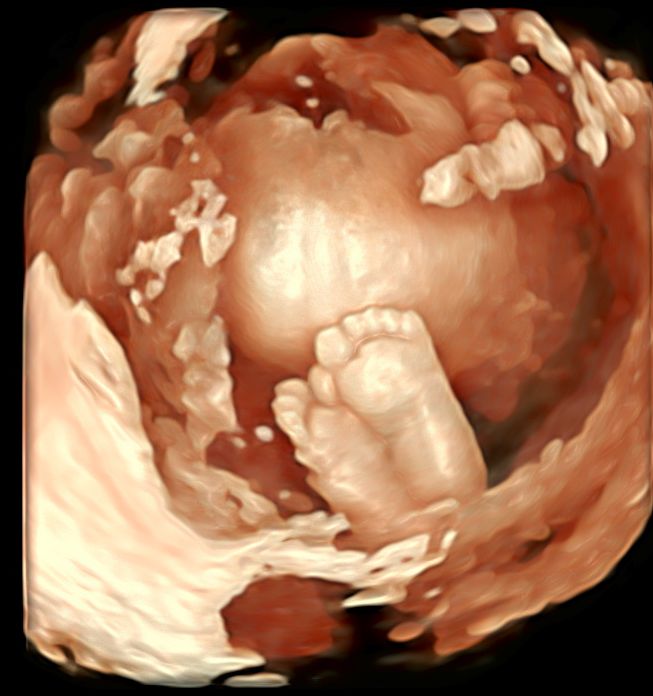
3D ultrasound – baby's feet
3D ultrasound – first close-up
3D ultrasound – delicate profile
3D ultrasound – baby's face
3D ultrasound – baby's silhouette
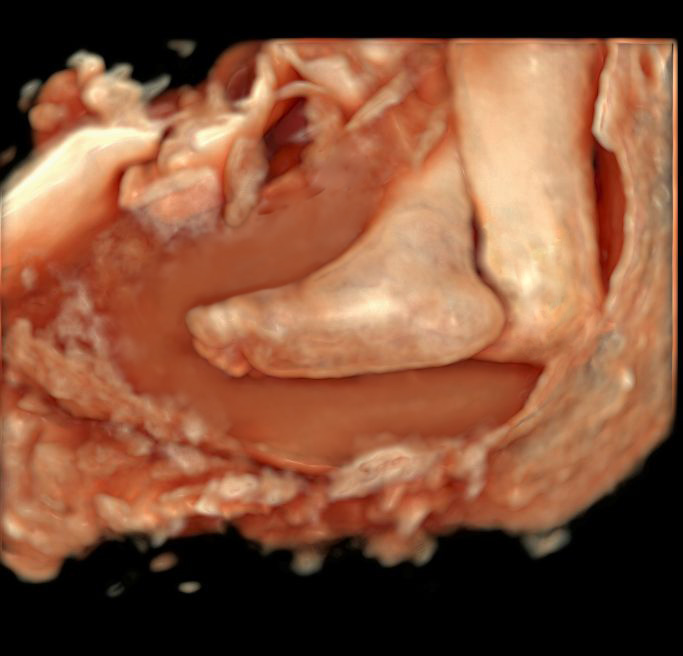
3D ultrasound – baby's legs
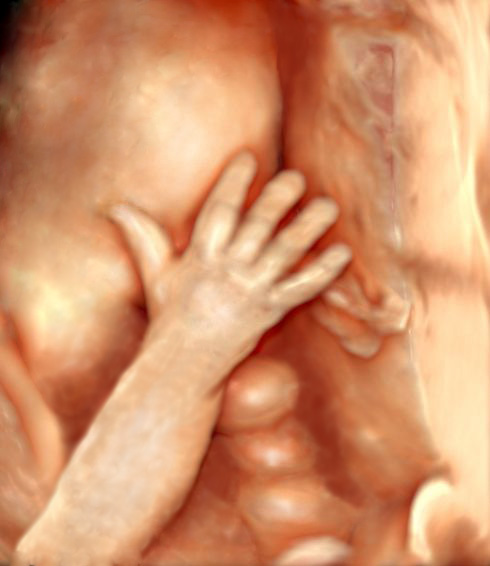
3D ultrasound – baby's hand
Diagnosis of heart defects
Baby in 4D
Fetal face in 4D
Fetus at 9 weeks
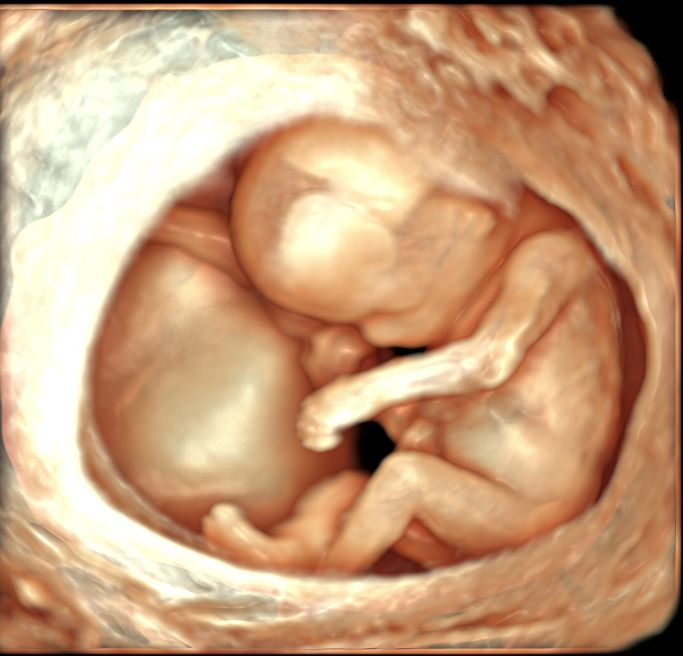
Fetus at 13 weeks
Fetus at 13 weeks
Fetus at 13 weeks
Fetal heart assessment
Advanced ultrasound imaging techniques
Fetal heart assessment (STIC)
Fetal heart assessment
Fetal heart assessment (STIC)

Images created with the help of artificial intelligence (AI). They are not diagnostic images.

Visualization of a baby created with the help of AI
AI image
Visualization of a baby created with the help of AI
AI image
Visualization of a baby created with the help of AI
AI image
Visualization of a baby created with the help of AI
AI image
Visualization of a baby created with the help of AI
AI image
Visualization of a baby created with the help of AI
AI image
Visualization of a baby created with the help of AI
AI image
Visualization of a baby created with the help of AI
AI image
Visualization of a baby created with the help of AI
AI image
Visualization of a baby created with the help of AI
AI image
Visualization of a baby created with the help of AI
AI image
Visualization of a baby created with the help of AI
AI image
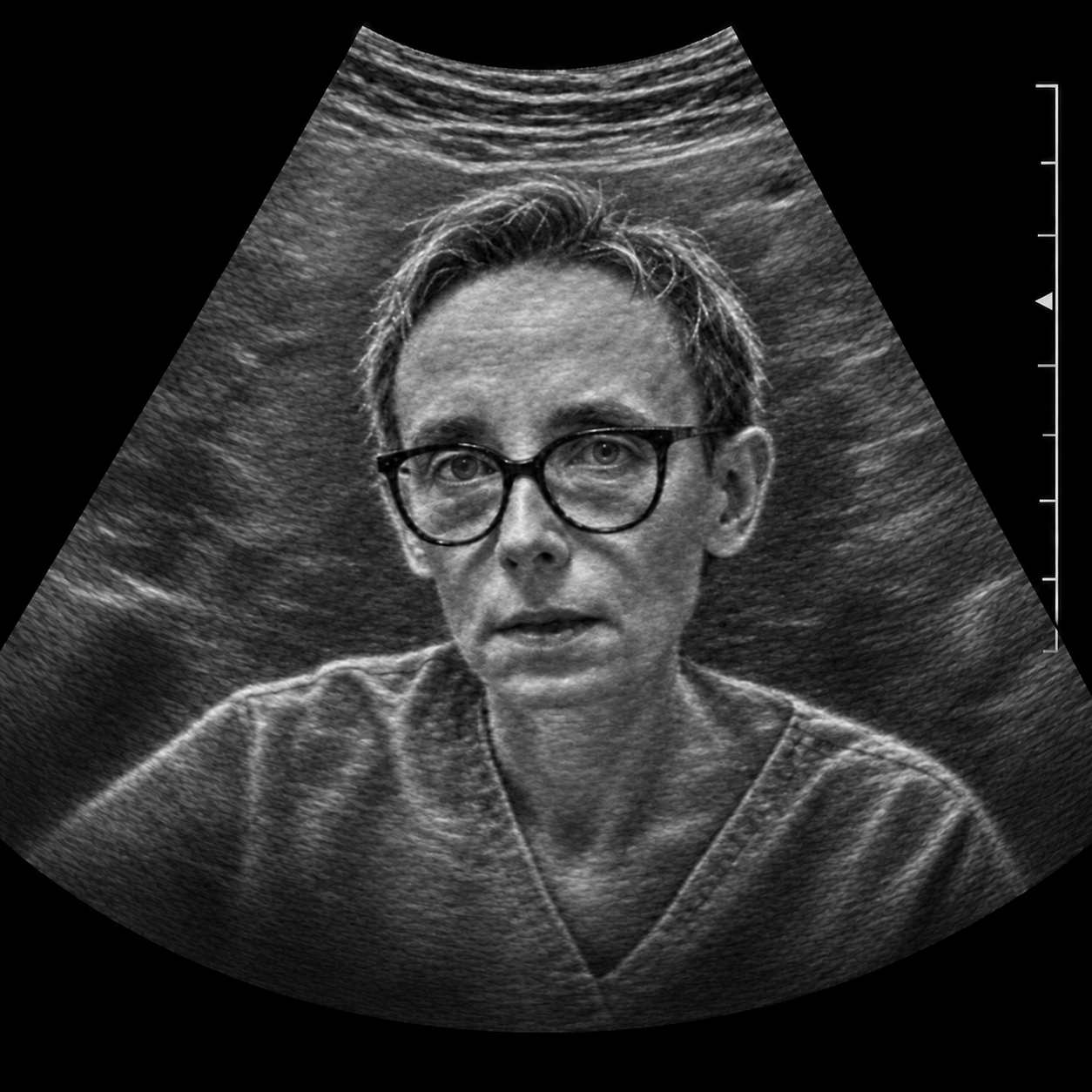
Dr Katarzyna Młodzianowska-Kosel — portrait created with the help of AI
Dr Katarzyna Młodzianowska-Kosel

Frequently asked questions

Before you come.

How do I book a visit?
Visits are booked by phone through the Mastermed reception desk: 85 742 30 30 or 605 900 902, Monday to Friday, 8:00–20:00. These are reception hours, not consultation hours.
In which language is the visit held?
Both the visit and booking by phone are possible in English and Polish.
How should I prepare for the first visit?
Bring the records of previous tests, the date of your last period and a list of the medicines you take. Special preparation is usually not needed — ask the reception desk for details about a specific test.
What documents should I bring?
A photo ID, your medical records and the results of previous tests, if you have them.
When are ultrasound scans done in pregnancy?
Usually in the 1st trimester (11–13+6 weeks), in mid-pregnancy (18–22 weeks) and in the 3rd trimester (28–32 weeks). We set the exact schedule individually during the visit.
How long does a visit take?
It depends on the type of visit. A consultation with an ultrasound scan usually takes from about 15 to 40 minutes.
Is a 3D/4D ultrasound a prenatal test?
No. 3D/4D imaging is an additional way of imaging the baby. It does not replace prenatal tests and is reported separately.
How can I pay?
For payment methods and current prices, please contact the reception desk at 85 742 30 30.

Contact and directions

Book a visit by phone.

I see patients at Mastermed in Białystok. Visits are booked through the reception desk.

Book a visit · 85 742 30 30